


When was the last time you checked your blood pressure? If you’re like a lot of people, it probably happened during your last doctor’s appointment. And if you , you may not give it another thought. That’s what makes high blood pressure so concerning. You can have it for years without noticing anything wrong.
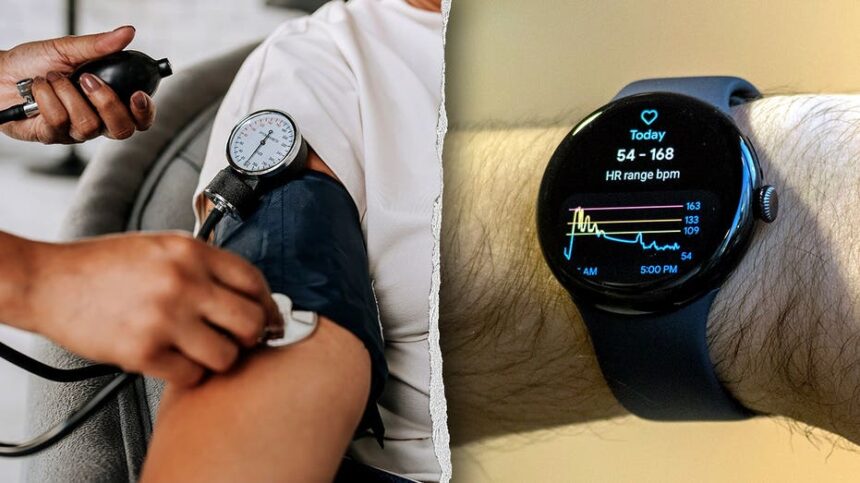
Now, Google researchers are exploring a way to uncover that hidden danger using something many of us already wear on our wrists. In a new study recently published in Nature, researchers demonstrated an artificial intelligence system that can identify signs of hypertension using standard smartwatch sensors. It works in the background without requiring calibration with a traditional blood pressure cuff.
The technology uses sensors that already exist in consumer smartwatches. That could make early detection much more accessible. However, the research also reveals a limitation that anyone relying on a smartwatch for health information should understand.
Missed CyberGuy LIVE? Watch the replay and discover 5 ways to travel smarter and save money.
Our free CyberGuy LIVE class, 5 Ways to Travel Smarter and Save Money, has ended, but you can still watch the full replay. Kurt “CyberGuy” Knutsson walks you through five practical ways to protect your phone and personal information, avoid common travel scams, find better deals, save money on bookings and use technology to make your travels easier and less stressful. No technical experience is needed.
Watch the free replay + downloadable checklist now at CyberGuyLive.com.
SMARTWATCH AFIB ALERT SENDS DAD TO ER BEFORE HEART SURGERY
Your smartwatch already knows quite a bit about your body. It can track your heart rate throughout the day. Depending on the model, it may also detect irregular heart rhythms.
Google’s new AI takes the information collected by those sensors and looks for signs of something harder to detect: ongoing high blood pressure. According to Google Research, the system analyzes two types of sensor data.
The first sensor uses light to detect changes in blood volume beneath your skin. It’s the same basic technology many watches use to monitor your pulse. The second sensor measures movement. Researchers found that it can also capture incredibly small vibrations caused by your heart pumping blood. You wouldn’t notice those vibrations. However, the AI can analyze them alongside your pulse patterns to look for signs associated with hypertension.
The system collects information over multiple days. It then combines those patterns with your height to estimate the likelihood of sustained high blood pressure. Unlike a traditional monitor, the smartwatch doesn’t produce a reading such as 120 over 80. Instead, it looks for signs that your blood pressure may be consistently elevated. What’s interesting is that you wouldn’t have to do anything differently. You could go about your day while quietly looks for potential warning signs.
Google worked with researchers from Beth Israel Deaconess Medical Center and Harvard Medical School to develop and test the system. First, researchers trained the underlying AI using nearly 500,000 hours of smartwatch sensor data collected from 2,109 consenting participants. They then evaluated the hypertension detection system in a clinical study involving 196 participants across five U.S. locations. None of those participants had known cardiovascular disease or were taking blood pressure medication.
During the study, participants <a href="https://foxnews.com/health/wearables-detect-heart-problem